The 2 Best Dotwork Tattoo Studios in Bali (2026)
Updated
Dotwork tattooing builds images and patterns entirely from individual dots, creating subtle gradients, textures, and depth through dot density.
2 studios offer this style
Dotwork tattooing builds images and patterns entirely from individual dots, creating subtle gradients, textures, and depth through dot density variation. Quiet Ink Studio Ubud is the strongest dotwork option in our directory. This technique is time-intensive, so expect sessions to run longer than equivalent linework pieces.
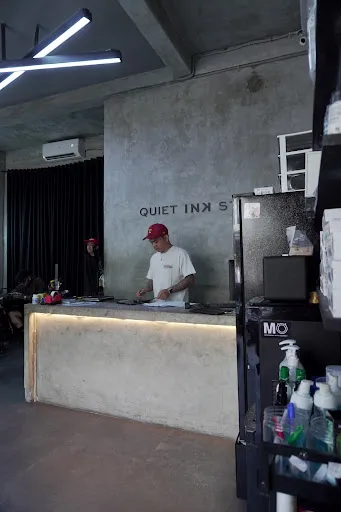
Multi-location studio (Canggu, Ubud, Uluwatu) with a reputation for meticulous fine line tattoo work. Calm, unhurried atmosphere with thorough consultations and a focus on precision.
Multi-location studio (Canggu, Ubud, Uluwatu) with a reputation for meticulous fine line tattoo work. Calm, unhurried atmosphere with thorough consultations and a focus on precision.
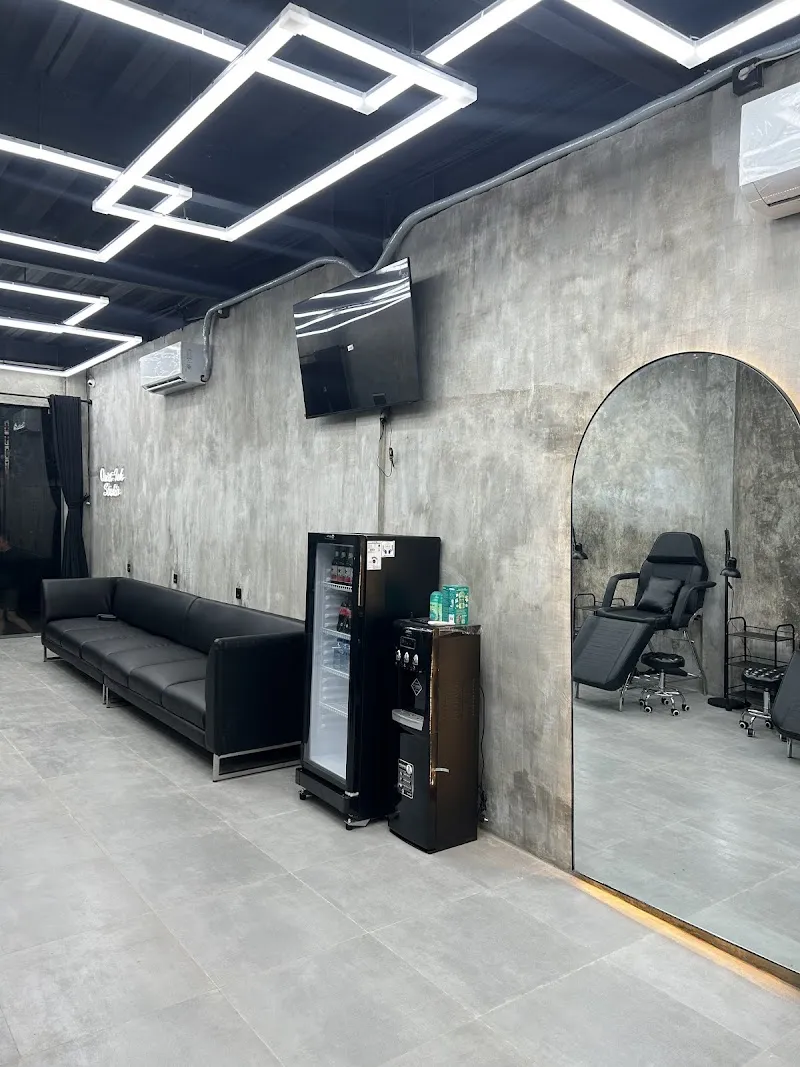
Quiet Ink's Ubud branch serving Bali's artistic heartland. Same fine line precision with transparent pricing, walk-in availability, and artists skilled in both delicate and detailed work.
Quiet Ink's Ubud branch serving Bali's artistic heartland. Same fine line precision with transparent pricing, walk-in availability, and artists skilled in both delicate and detailed work.
Every Dotwork tattoo studio in our Bali directory. All 2, ranked on rating and review count. Tattoos are priced per design, so every studio quotes after a consultation.
Run a tattoo studio in Bali? Ask us about being listed on this page
What Is Dotwork Tattooing?
What Affects Tattoo Prices in Bali?
Related Articles
Style Guides
Tattoo Styles Explained: Which One Is Right for You?
From fine line to Japanese, blackwork to watercolor. A visual guide to every tattoo style available in Bali studios.
Read more →Price Guides
How Much Does a Tattoo Cost in Bali? (2026 Prices)
Small tattoos from IDR 500K, hourly rates IDR 800K to 3M, full-day sessions IDR 5M to 15M. Real pricing data from Bali studios.
Read more →Frequently Asked Questions
Quiet Ink Studio Ubud has the most dotwork mentions in reviews. Galerimikro and other studios with strong fine line skills often handle dotwork elements within mixed-style compositions.
Pain is subjective, but many clients report dotwork as less consistently painful than continuous line work. The individual dot application creates brief, punctuated sensations rather than continuous pressure. However, sessions are longer.
Dotwork sessions run 20 to 40 percent longer than equivalent linework. Small dotwork pieces take 2 to 4 hours. Medium compositions take 4 to 8 hours. Large-scale dotwork may require multiple extended sessions.
Dotwork ages differently than line work. Individual dots may spread slightly over time, which can soften the overall appearance. Well-executed dotwork with appropriate dot spacing holds up well for many years.
Mandalas, geometric patterns, portraits (pointillism style), ornamental designs, and nature subjects all translate well into dotwork. The technique excels at creating subtle tonal gradations.
Small dotwork pieces start from IDR 1,500,000 to IDR 3,000,000. Medium mandala or ornamental dotwork ranges from IDR 3,000,000 to IDR 8,000,000. The time-intensive nature of dotwork means higher total costs for larger pieces.
Yes. Dotwork pairs beautifully with geometric, mandala, fine line, and blackwork elements. Many artists use dotwork for shading and gradients within designs that also include line work.
In Bali studios, dotwork is done with a tattoo machine using a single needle or small grouping, with each dot applied individually. Traditional hand-poked dotwork exists but is less common in the studios featured here.
Dotwork looks striking on flat, visible areas: forearm, upper arm, shoulder, and back. The subtle gradations and textures are best appreciated on areas that can be viewed straight-on.
Follow standard aftercare. Dotwork heals similarly to other styles. Avoid picking at any scabbing, as losing individual dots during healing can create visible gaps in the pattern.
Ready to Find Your Studio?
Browse all 30+ studios side by side.