The 10 Best Balinese Tattoo Studios in Bali (2026)
Chosen from the 14 studios that offer this style.
Updated
Balinese tattooing draws on centuries of Hindu-Balinese iconography, spiritual symbolism, and island artistic tradition. These are not generic 'tribal' designs; motifs like Karang Bhoma, barong, and rangda carry specific cultural meanings rooted in Balinese Hindu cosmology.
14 studios offer this style
A Balinese tattoo uses Hindu-Balinese motifs such as Karang Bhoma guardian faces, barong and rangda figures, lotus flowers, and sacred geometry, each carrying meanings rooted in Balinese Hindu cosmology and temple carving. Traditionally rendered in bold black and grey line work, these designs are best created by Ubud artists steeped in the island's living cultural tradition.
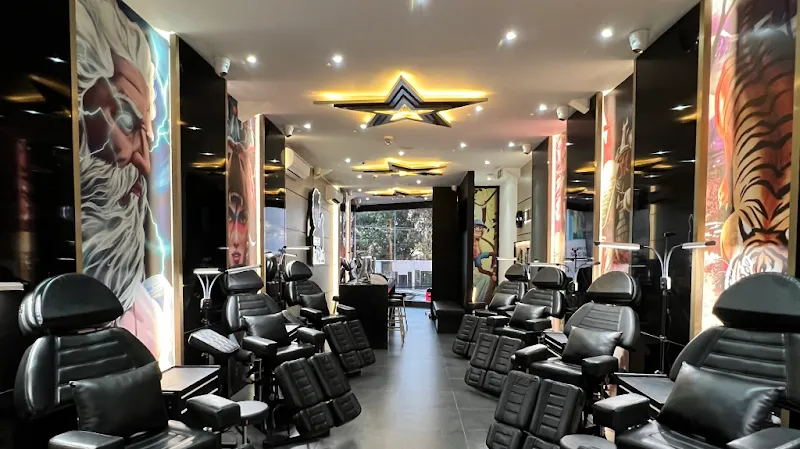
Bali's biggest studio with 30+ artists on Batu Bolong. Every piece is quoted after consultation. Walk-in friendly with efficient booking and a wide range of styles.
Bali's biggest studio with 30+ artists on Batu Bolong. Every piece is quoted after consultation. Walk-in friendly with efficient booking and a wide range of styles.
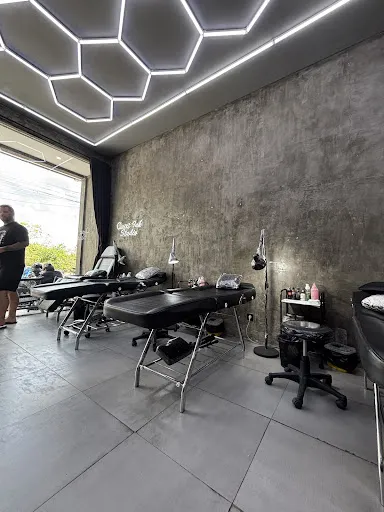
Quiet Ink's Uluwatu branch brings fine line precision to Bali's southern coast. Convenient for Uluwatu, Pecatu, and Nusa Dua visitors with the same calm, professional experience.
Quiet Ink's Uluwatu branch brings fine line precision to Bali's southern coast. Convenient for Uluwatu, Pecatu, and Nusa Dua visitors with the same calm, professional experience.
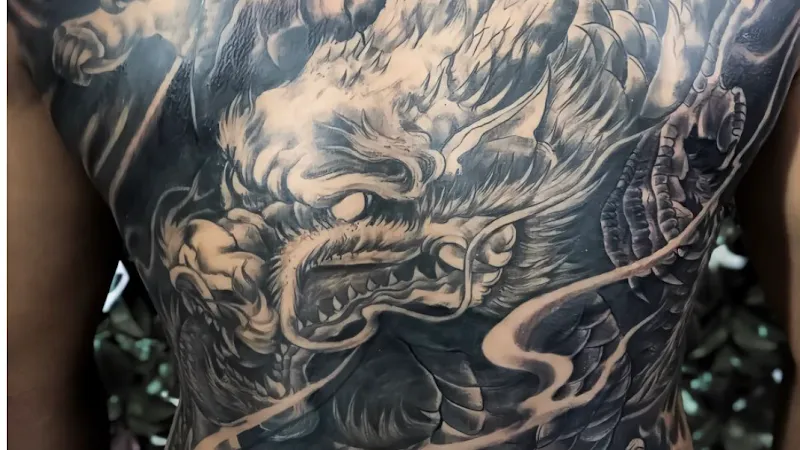
Ubud's leading tattoo studio, renowned for traditional Balinese motifs and spiritual designs. Two locations with a team skilled in both cultural tattoo work and modern styles.
Ubud's leading tattoo studio, renowned for traditional Balinese motifs and spiritual designs. Two locations with a team skilled in both cultural tattoo work and modern styles.
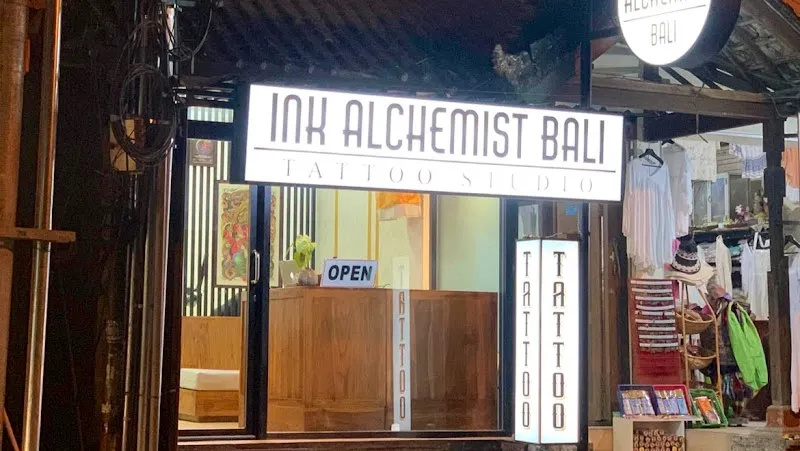
Ubud studio with a cult following built entirely on word of mouth and Instagram. Known for elevating client concepts into refined, detailed pieces. Fine line and ornamental work are specialties.
Ubud studio with a cult following built entirely on word of mouth and Instagram. Known for elevating client concepts into refined, detailed pieces. Fine line and ornamental work are specialties.
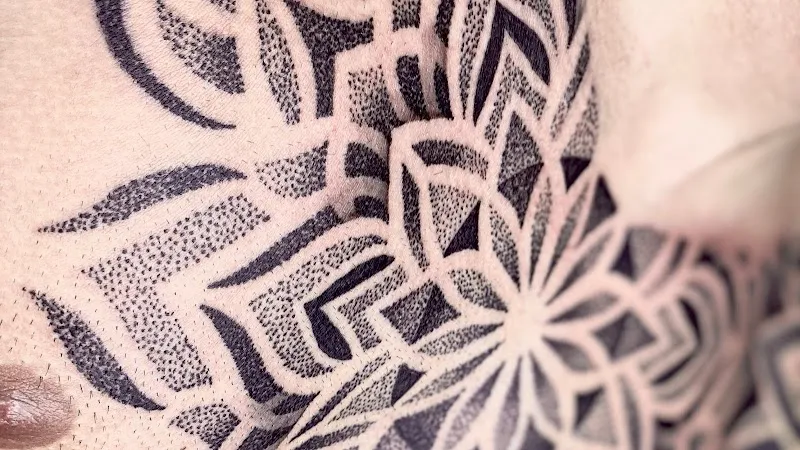
Ubud's specialist in micro and minimalist tattoo work. Fine line pieces executed with exceptional precision at small scales. The name means 'micro gallery,' and the work lives up to it.
Ubud's specialist in micro and minimalist tattoo work. Fine line pieces executed with exceptional precision at small scales. The name means 'micro gallery,' and the work lives up to it.
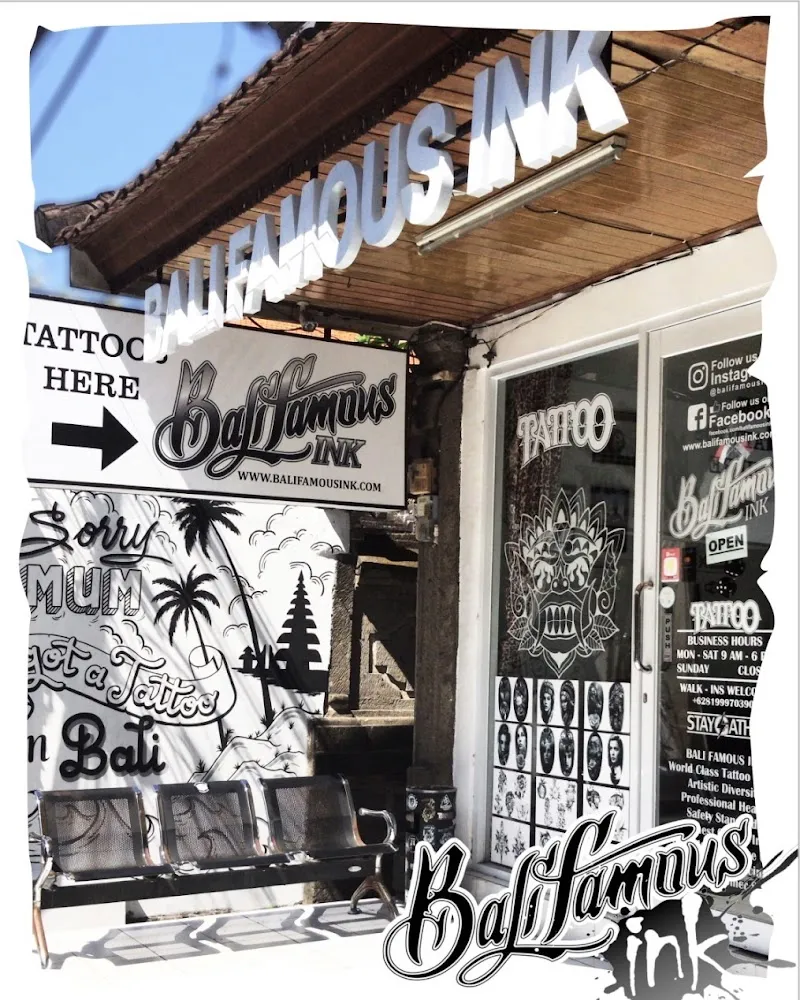
Kuta's fine line specialist with over 1,100 five-star reviews. The studio focuses on delicate, precise work in floral, ornamental, and script designs. One specialty, done exceptionally well.
Kuta's fine line specialist with over 1,100 five-star reviews. The studio focuses on delicate, precise work in floral, ornamental, and script designs. One specialty, done exceptionally well.
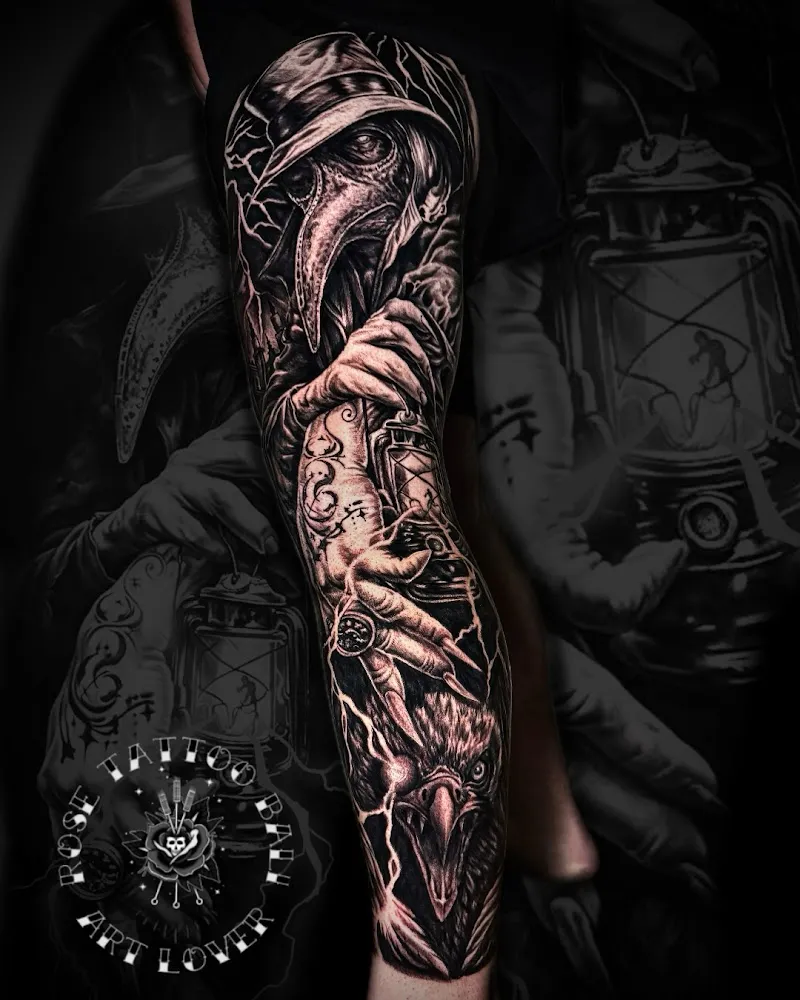
Kuta studio on Jalan Legian with strong fine line and cover-up capabilities. Nearly 1,000 five-star reviews with artist Aan frequently praised for precision and speed.
Kuta studio on Jalan Legian with strong fine line and cover-up capabilities. Nearly 1,000 five-star reviews with artist Aan frequently praised for precision and speed.
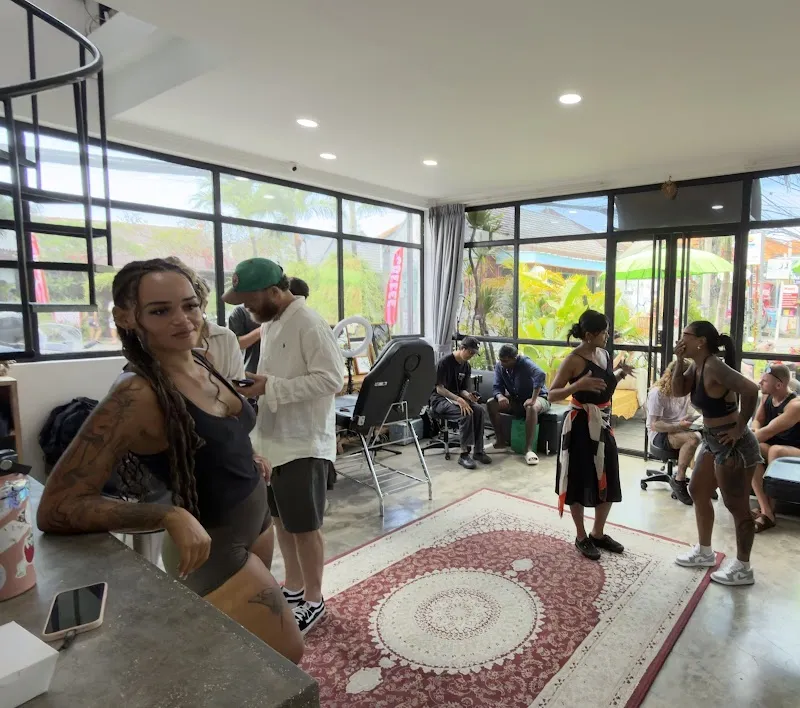
Nine-artist Canggu studio with a reputation for matching clients to the right artist. Strong across fine line, blackwork, and custom work with a responsive booking process.
Nine-artist Canggu studio with a reputation for matching clients to the right artist. Strong across fine line, blackwork, and custom work with a responsive booking process.
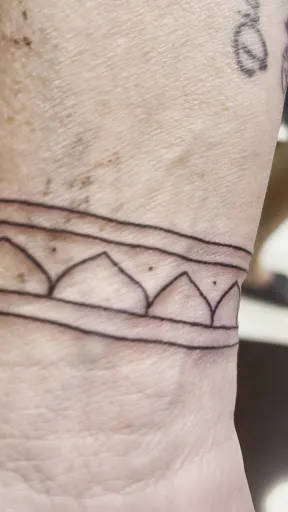
Long-established Seminyak studio on the Double Six strip with a loyal international following. Intimate two-artist operation offering personalized fine line and minimalist tattoo work.
Long-established Seminyak studio on the Double Six strip with a loyal international following. Intimate two-artist operation offering personalized fine line and minimalist tattoo work.
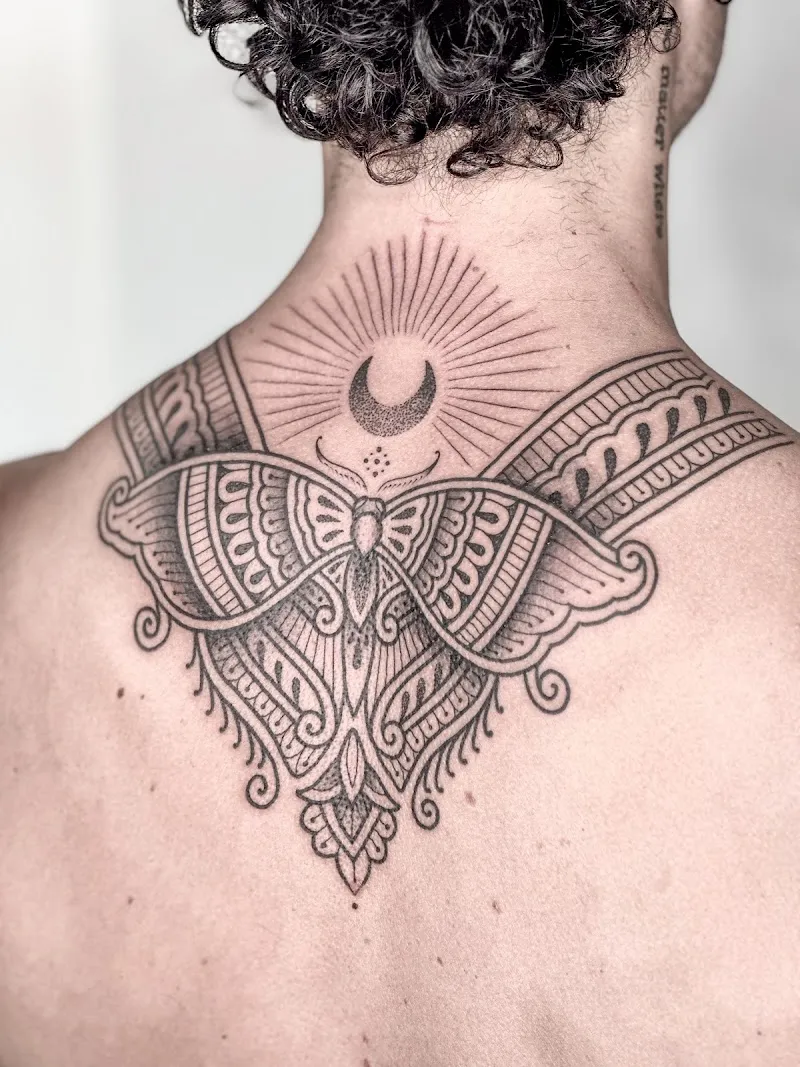
Unique Ubud concept combining a tattoo studio with specialty coffee. Three artists specializing in fine line, traditional Balinese, and cover-up work in a creative, café-like atmosphere.
Unique Ubud concept combining a tattoo studio with specialty coffee. Three artists specializing in fine line, traditional Balinese, and cover-up work in a creative, café-like atmosphere.
Balinese Tattoo studios in Bali: the best 10 of the 14 that offer it, ranked on rating and review count. Tattoos are priced per design, so every studio quotes after a consultation.
Showing the best 10 of 14. See all 14 Balinese Tattoo studios →
Run a tattoo studio in Bali? Ask us about being listed on this page
What Is a Balinese Tattoo?
What Affects Tattoo Prices in Bali?
Related Articles
Culture
Traditional Balinese Tattoo: History, Meaning, and Where to Get One
The cultural significance of Karang Bhoma, barong, and sacred Balinese tattoo motifs. Where to find authentic traditional artists.
Read more →Style Guides
Tattoo Styles Explained: Which One Is Right for You?
From fine line to Japanese, blackwork to watercolor. A visual guide to every tattoo style available in Bali studios.
Read more →Frequently Asked Questions
Karang Bhoma is the guardian face found carved above the entrance gates of Balinese Hindu temples. In tattoo form, it represents protection and spiritual guardianship. The design features an ornate face with elaborate surrounding foliage and decorative elements. It is one of the most iconic and requested Balinese tattoo motifs.
The most requested Balinese tattoo designs are Karang Bhoma guardian faces, barong and rangda figures from Balinese mythology, lotus flowers, sacred geometry, and scenes drawn from the Ramayana and Mahabharata epics. These motifs appear throughout Balinese temple carvings and ceremonial art, which is where their tattoo forms originate. Most designs use bold black and grey line work with detailed ornamental fills.
Balinese tattoo symbols draw their meanings from Hindu-Balinese cosmology. Karang Bhoma represents protection and spiritual guardianship, the barong stands for a benevolent protective spirit, rangda represents its powerful opposing force, and the lotus symbolizes purity and spiritual growth. Meanings can vary by context, so discuss the significance of any symbol with your artist before committing to a design.
The barong is a lion-like figure from Balinese mythology, widely regarded as a protective spirit and a symbol of good. It features prominently in Balinese dance and temple ritual. As a tattoo, the barong is rendered with an expressive ornate face and flowing decorative detail, often paired with or contrasted against rangda, its mythological counterpart.
Rangda is a powerful figure in Balinese mythology, traditionally cast as the fierce counterpart to the protective barong. In Balinese ritual and dance, the two represent opposing forces held in balance. As a tattoo, rangda is rendered with a dramatic, highly detailed face and elaborate ornamental surrounds, and is often paired with a barong to express that balance of opposing energies.
Generally yes, when done respectfully and by an artist who understands the cultural context. Balinese artists in Ubud studios are happy to create traditional pieces for visitors who appreciate the cultural significance. Discuss the meaning of your chosen design with your artist. Avoid placing sacred imagery in culturally insensitive body locations.
Small standalone motifs take 2 to 4 hours. Medium compositions with detailed ornamental work take 4 to 8 hours. Large pieces like full back panels or chest compositions may require multiple sessions across several days. The intricate detail in Balinese work takes longer than simpler styles.
Yan Tino Tattoo in Ubud is the most prominent specialist, with deep knowledge of Hindu-Balinese iconography across two locations. Karma House Tattoo Temple and several other Ubud studios also have strong traditional capabilities. Some Canggu and Kuta studios offer Balinese work as part of a broader style range.
A Balinese tattoo features specific Hindu-Balinese cultural motifs with established iconographic meanings, such as Karang Bhoma, barong, and lotus designs. 'Tribal' is a broader, often generic category. Balinese work is rooted in a living cultural tradition, not abstract pattern-making.
You can bring ideas and references, but working with an artist who understands the traditional iconography produces better results. Artists can incorporate your personal meaning into culturally authentic compositions. This collaborative approach ensures the design works both artistically and culturally.
Prices vary by size and studio. Small motifs start around IDR 1,000,000 to IDR 2,000,000. Medium compositions with detailed ornamental work range from IDR 3,000,000 to IDR 8,000,000. Large multi-session pieces can cost IDR 10,000,000 and above. Always confirm pricing before your session.
Most Balinese tattoo work uses black and grey tones, which reflect the style of the original temple carvings and ceremonial art. Some artists incorporate subtle color accents, particularly for floral elements. Discuss color preferences with your artist during the consultation.
Balinese compositions work well on the upper arm, shoulder, chest, back, and calf, areas with enough flat surface to accommodate the ornamental detail. Avoid very small placements for these motifs, as the intricate detail needs room to read clearly. Your artist can advise on the best placement for your specific design.
Balinese work, with its bold outlines and structured compositions, generally ages better than very fine, detailed styles. The strong line work and solid fill areas maintain definition over time. Proper aftercare, sun protection, and occasional moisturizing help preserve the tattoo's appearance long-term.
Ready to Find Your Studio?
Browse all 30+ studios side by side.